The Mechanics of Motion
Moving a structure that weighs more than a naval destroyer requires an absolute mastery of mechanical engineering and structural framing. Retractable stadium roofs represent a pinnacle of kinetic architecture, demanding systems that operate flawlessly under dynamic wind loads and shifting thermal expansions.
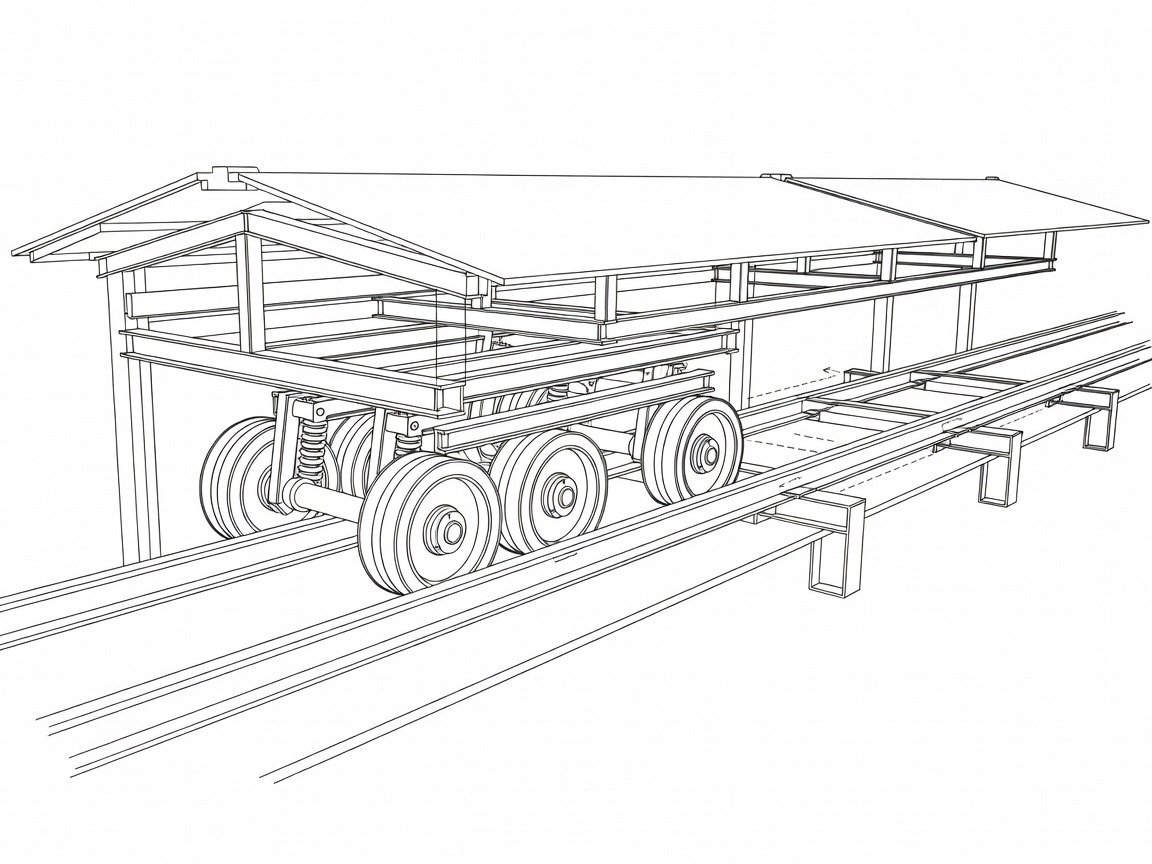
Bogie and Rail Systems
The foundation of most kinetic roof systems is the bogie. Arranged in immense clusters, these motorized carriages travel along fixed structural rails. High-load wheels forged from hardened steel distribute the extreme point loads of the canopy elements into the primary stadium superstructure.
"The roof does not merely slide; it crawls with the precision of a watch movement amplified a thousandfold."
Drive Mechanics: Rack and Pinion
To overcome the massive inertia of multi-tonne roof panels, engineers frequently employ rack-and-pinion drive systems. Unlike friction drives which can slip in wet or icy conditions, the toothed engagement of rack-and-pinion ensures absolute positional control. Multiple synchronous AC motors provide the torque necessary to open or close the canopy in precisely timed sequences, often completing the transformation in under 20 minutes.
Addressing Span Deflection
A critical challenge in retractable design is span deflection. As a roof panel extends unsupported across the middle of a stadium, gravity and wind induce bending moments. The kinetic system must tolerate these deformations. Bearings and spherical joints are integrated into the connection points, allowing the steel framework to flex naturally without binding on the rails.